
Is an Artificial Christmas Tree More Eco-Friendly? Facts You Should Know Before Buying
As the holiday season approaches, many people ask the same question: should they choose a natural tree or opt for an artificial Christmas tree? Until recently, real trees were widely considered the only environmentally friendly option. Today, however, experts increasingly evaluate the entire lifecycle of a product, including its durability and impact on natural resources. As a result, an artificial Christmas tree is often viewed as a more practical and responsible choice that aligns with the principles of sustainable consumption.
So, is an artificial Christmas tree better for the environment? Or is a real tree still the greener option? Let's take a closer look at the facts.
Is an Artificial Christmas Tree More Eco-Friendly?
The answer is not entirely straightforward, as much depends on how the tree is used. However, when viewed from a long-term perspective, the purchase of an artificial Christmas tree may prove beneficial for both your budget and the environment.
The biggest advantage of an artificial tree is its longevity. While a real Christmas tree is typically used for only a few weeks, a high-quality artificial Christmas tree can last for 10, 15, or even 20 years. This means a single purchase can replace many natural trees over time.
That is why, in the context of artificial Christmas trees, more attention is being paid to reducing resource consumption and minimizing waste generated year after year.
The Environmental Impact of Real Christmas Trees
Supporters of natural trees often point out that growing trees absorb carbon dioxide and release oxygen. While this is true, it is important to consider the complete environmental picture.
Before a cut Christmas tree reaches the market, it requires years of cultivation, irrigation, fertilization, transportation, and eventual disposal. After the holidays, many trees are composted or collected as green waste, but this process is not always managed efficiently.
Long transportation routes between plantations and retail locations can also contribute to additional greenhouse gas emissions. For consumers, choosing a natural tree means repeating the purchase process every year.
It is also worth noting that a real Christmas tree requires proper storage conditions, regular watering in the case of potted trees, and ongoing cleanup of fallen needles.
Disadvantages of Real Christmas Trees
Although natural trees offer a unique fragrance and traditional charm, they also come with several limitations.
The most common disadvantages include:
- The need to purchase a new tree every year
- Falling needles
- Limited lifespan
- Transportation challenges
- Disposal after the holidays
- Storage until collection or recycling
In addition, a potted Christmas tree, often promoted as an eco-friendly alternative, cannot always be successfully replanted. Moving a tree from a warm indoor environment to outdoor winter temperatures may cause thermal shock and damage the plant.
Environmental Benefits of Artificial Christmas Trees
When discussing sustainability, it is important to consider not only the manufacturing process but also the lifespan of a product. This is where the greatest benefits of artificial Christmas trees become apparent.
Key advantages include:
- Long-term use over many seasons
- No need for annual replacement
- Reduced transportation requirements
- No organic waste after each holiday season
- Excellent structural durability
For many families, the strongest argument is that a single artificial Christmas tree can be used for many years without losing its visual appeal. In practice, this means fewer purchases, less transportation, and lower overall resource consumption.
Artificial Tree Durability and Sustainable Development
One of the most compelling reasons to choose an artificial tree is its lifespan. Modern models made from PE and PVC foliage are specifically designed for long-term use.
For example, purchasing a high-quality model from the collection of artificial Christmas trees allows homeowners to enjoy the same tree for many holiday seasons. During that time, several natural trees would otherwise need to be purchased.
From the perspective of sustainable development, using one product repeatedly is often more environmentally responsible than replacing it every year.
This is why more consumers believe that an artificial Christmas tree is worth considering, not only from an economic standpoint but also from an environmental one.
Christmas Tree Recycling and Reuse
Modern sustainability practices focus on extending the lifespan of products whenever possible. This principle also applies to holiday decorations.
While Christmas tree recycling is not yet as widespread as recycling paper, glass, or metal, manufacturers are increasingly exploring ways to recover and reuse materials used in the production process.
Artificial Christmas trees can also be assembled and disassembled multiple times without losing their decorative value. This makes them an attractive option for people who wish to reduce unnecessary waste.
How to Choose the Most Eco-Friendly Artificial Christmas Tree
If environmental impact is a priority, quality should be your primary consideration.
A good artificial Christmas tree selection should take into account:
- Durable construction
- High-quality foliage
- Long-term usability
- Easy storage
- Timeless design
A premium-quality artificial tree can remain in excellent condition for many years, significantly reducing the need for future purchases.
It is worth considering models made from PE or PE/PVC foliage, which closely replicate the appearance of natural evergreen branches. These artificial Christmas trees offer a realistic look while maintaining all the advantages associated with long-term use.
If you're comparing available options, be sure to read our related guide: "Artificial Christmas Trees: The Complete Guide to PE, PVC, Snow-Flocked and Potted Trees", which explains the different foliage types and popular Christmas tree styles.
Eco-Friendly Christmas Trees for Years to Come
Increasingly, experts emphasize that the concept of eco-friendly Christmas trees should not be limited to the materials used during manufacturing. Long-term use and overall environmental impact are equally important.
When buying a Christmas tree, consider how many years it will be used. If a high-quality artificial tree decorates your home for a decade or more, its environmental footprint is spread across many holiday seasons.
For this reason, many consumers choose to buy an artificial Christmas tree instead of replacing a traditional holiday tree every year.
Conclusion: Is an Artificial Christmas Tree Better for the Environment?
The final answer depends on how the tree is used, but in practice, a well-made artificial Christmas tree that serves a household for many years can be a more sustainable and practical choice than purchasing a real tree every holiday season.
The biggest advantages of artificial Christmas trees include durability, convenience, long-term value, and the ability to reuse the same tree year after year. These benefits explain why more families are embracing artificial trees as part of a responsible and sustainable holiday lifestyle.
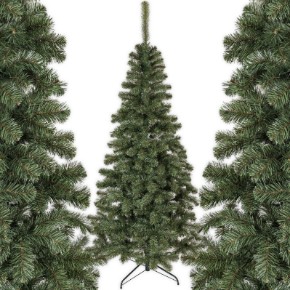
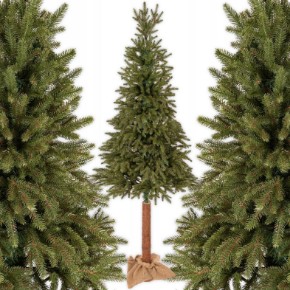
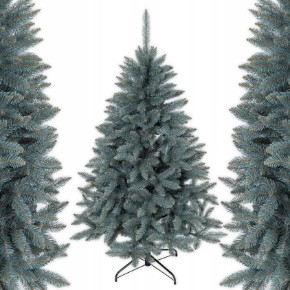
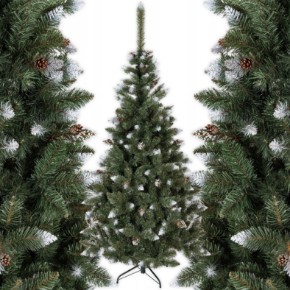
If you are looking for a realistic and durable Christmas tree, explore the collections of Artificial Christmas Trees, Classic Christmas Trees, and Christmas Garlands available at Abiana.pl.